
Uncategorized
Sora 2 API 2026 Outlook: Expected Update Directions, Capability Shifts, and Developer Opportunities
Sora 2 API 2026 Outlook: Expected Update Directions, Capability Shifts, and Developer Opportunities If you are evaluatin

If you are evaluating the sora 2 api 2026 landscape, the key question is simple: what will likely improve, what will stay hard, and where can developers create real value? This article gives you a practical forward-looking framework for planning integrations, product roadmaps, and content strategies without relying on unsupported claims.
In short, the most important opportunities around Sora-style video APIs are likely to center on better video quality, stronger motion consistency, more controllable camera behavior, richer audio synchronization, and more production-ready API workflows. If you are building tools, workflows, or content products, those are the areas to watch closely.
1) What the 2026 direction likely looks like
Conclusion: The center of gravity for Sora 2-style APIs in 2026 is likely to move from “can it generate video?” to “can it generate usable video reliably for real workflows?”
Why this matters
Current Sora-style API offerings already point toward a production-minded direction: text-to-video, image-to-video, synchronized audio, multi-shot storytelling, and camera control. That suggests future updates will probably focus less on novelty and more on consistency, controllability, and throughput.
For developers, this means the value of the API will increasingly depend on whether it can support:
- predictable output formats,
- repeatable generation behavior,
- better prompt-to-scene alignment,
- and easier integration into product pipelines.
Practical advice
If you are planning for sora 2 api 2026, structure your product assumptions around these likely priorities:
- Design prompts and templates for repeatable outcomes.
- Build fallback logic for failed or low-quality generations.
- Separate creative experimentation from production workflows.
- Track how model, aspect ratio, and style controls affect output quality.
2) Capability changes to expect in Sora-style video APIs
Conclusion: The most relevant capability gains are likely to be around motion realism, scene coherence, audio alignment, and multi-shot output management.
Likely capability areas
Based on existing feature sets in Sora-style APIs, the next wave of improvement will likely emphasize the following:
| Capability area | Why it matters | Developer impact |
|---|---|---|
| Text-to-video | Converts natural language into video | Enables prompt-driven creation workflows |
| Image-to-video | Animates still images into motion scenes | Useful for brand assets, product visuals, and concept animation |
| Multi-shot storytelling | Keeps scenes coherent across cuts | Supports more advanced narrative generation |
| Synchronized audio | Aligns sound, dialogue, and ambience with visuals | Reduces the need for post-production sound work |
| Camera and style control | Lets developers shape framing and cinematic direction | Improves creative precision and brand consistency |
| Pro-tier fidelity | Provides higher-quality output for demanding use cases | Supports premium products and higher-end content |
What to watch in 2026
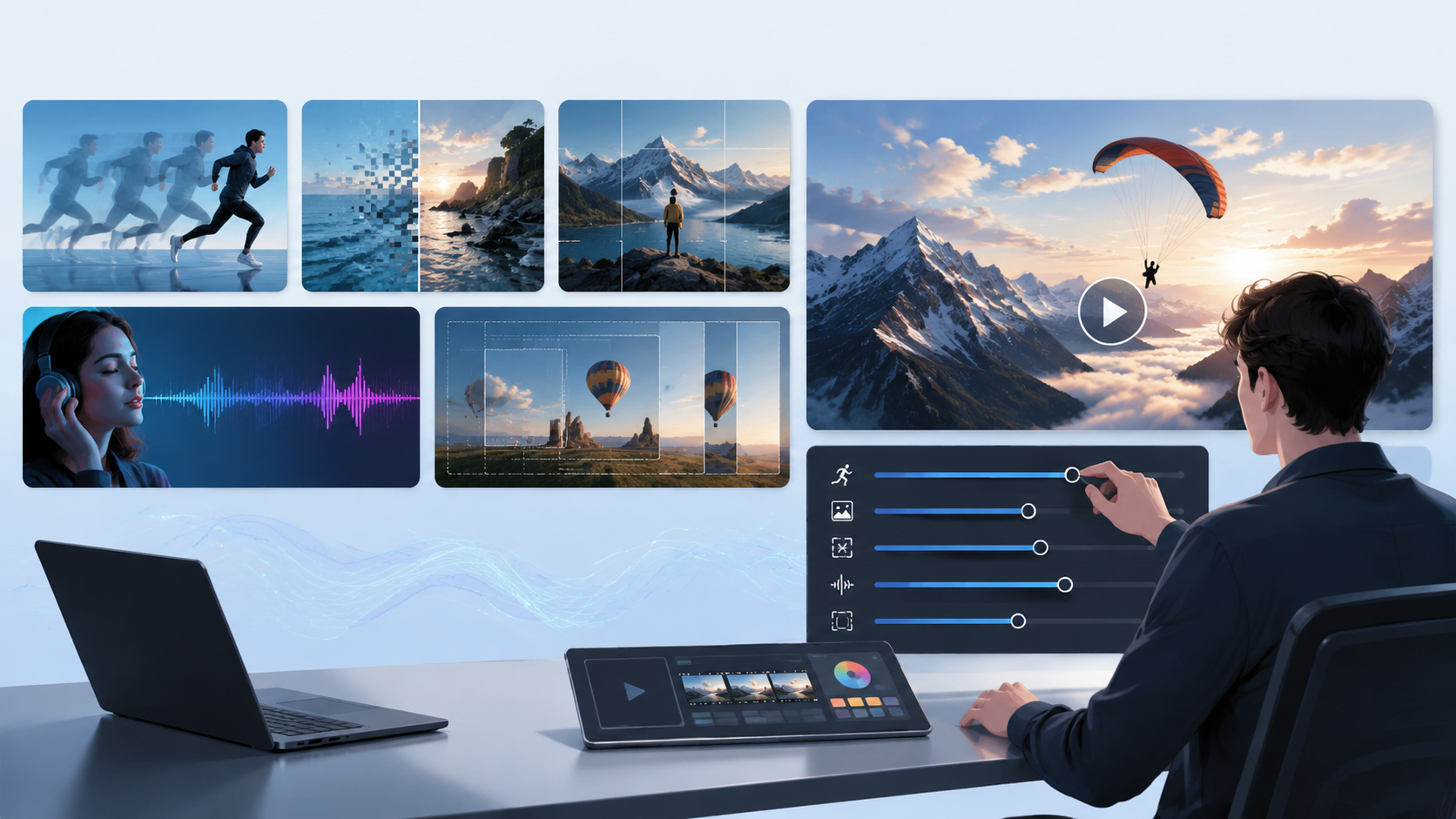
The most useful change is not just “better quality,” but better control over quality. That includes:
- stronger motion continuity,
- fewer visual discontinuities,
- improved scene composition,
- more reliable audio matching,
- and clearer control over format settings such as aspect ratio.
Practical advice
To prepare for these shifts:
- Create internal benchmarks for prompt categories you use often.
- Test both text-to-video and image-to-video flows.
- Compare short single-shot clips with multi-shot sequences.
- Measure how often outputs meet your creative intent without manual revision.
3) API workflow and production readiness will matter more
Conclusion: In 2026, the winning APIs will likely be the ones that make production integration easier, not just those that generate impressive demo clips.
Why this matters
A useful starting point is the workflow pattern already visible in current unified API systems:
- Create an API key.
- Send prompts or reference images.
- Track generation status.
- Fetch the result when ready.
- Scale via quotas and batching.
That workflow suggests the real challenge is not only generation quality, but also operational reliability. For teams, this includes job handling, asynchronous status polling, response consistency, and workload scaling.
What developers should prepare for
If you are building on a Sora-style API, focus on:
- job queue handling,
- retry behavior,
- status polling logic,
- result storage and retrieval,
- rate and quota awareness,
- batching support for repeated requests.
Practical advice
A production-ready integration should include:
- clear request validation,
- timeout handling,
- idempotent job processing where possible,
- logging for failed generations,
- and a user-facing status experience.
If your product depends on generated video, don’t treat the API as a simple “one-call image tool.” Treat it as an asynchronous media pipeline.
4) Where the developer opportunity is strongest
Conclusion: The biggest opportunity is not just using the API, but building workflows and products that make the API useful for a specific audience.
High-value opportunity areas
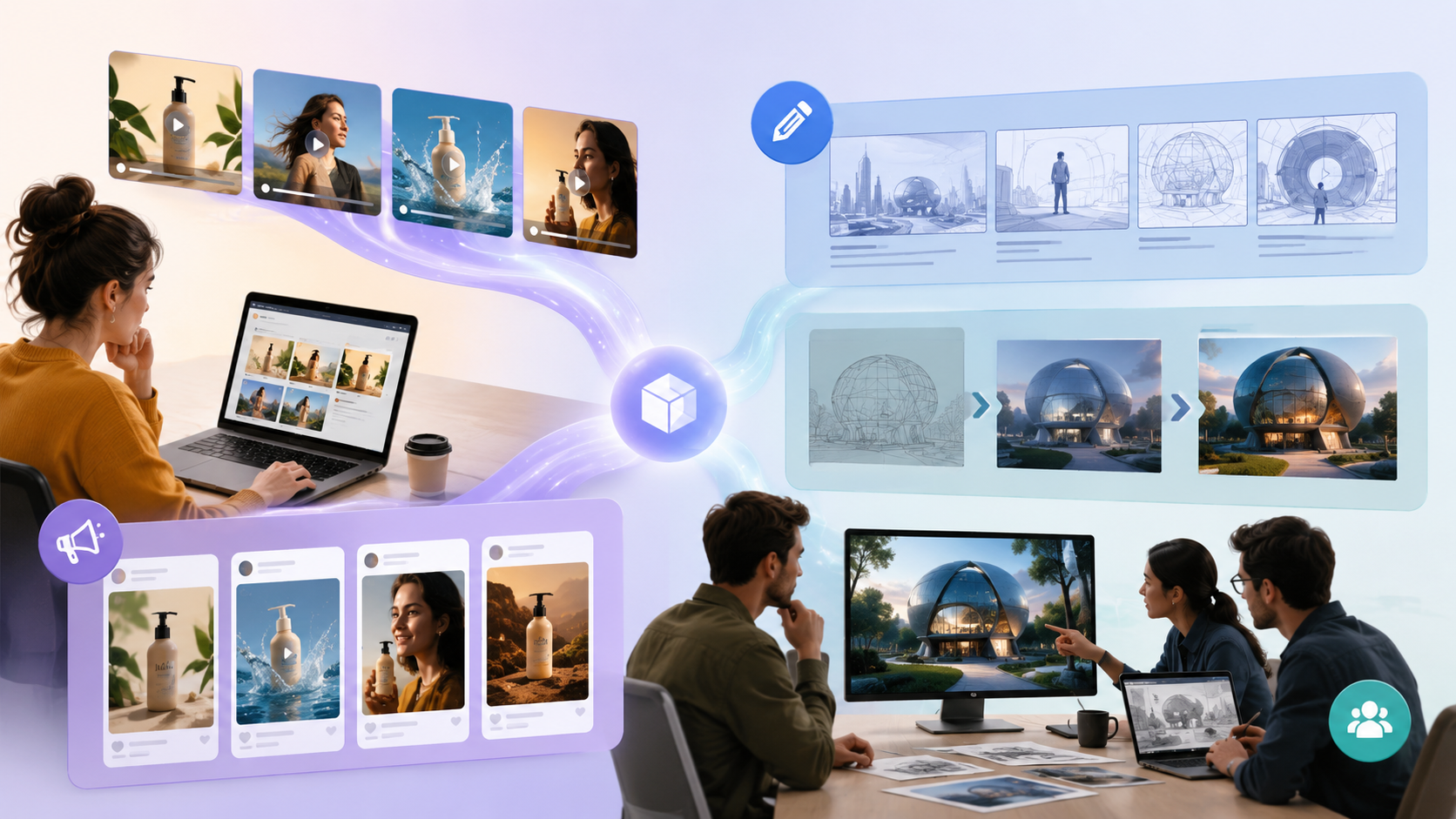
Sora-style APIs can support several product directions:
- Marketing content tools
Generate short campaign videos, concept previews, and social content variations.
-
Prototype and concept visualization
Turn scripts or reference frames into early visual mockups for creative teams. -
Image animation products
Convert still visuals into motion clips for ecommerce, portfolios, or brand storytelling. -
Narrative generation tools
Build multi-shot storytelling interfaces for creators and agencies. -
Creative automation platforms
Combine prompt templates, style presets, and generation pipelines for repeatable output.
Why this is valuable
The API itself is only part of the product. The real value often comes from:
- prompt UX,
- template systems,
- style management,
- asset handling,
- review workflows,
- and downstream editing or publishing.
Practical advice
To identify a viable opportunity:
- Choose one narrow user group.
- Define one repeatable content format.
- Build around a specific generation mode, such as image-to-video or multi-shot clips.
- Add guardrails for consistency and quality.
- Focus on reducing the time from prompt to publishable result.
5) How to plan your strategy for sora 2 api 2026
Conclusion: The best strategy is to build flexible systems now, because the main advantage in 2026 will likely come from adapting quickly to better models and richer controls.
Strategic planning checklist
Use this checklist to prepare:
- [ ] Support both text-to-video and image-to-video use cases.
- [ ] Design prompts for structured output, not only creative exploration.
- [ ] Plan for asynchronous job processing.
- [ ] Store generation metadata for later comparison.
- [ ] Build around aspect ratio and camera control settings.
- [ ] Reserve room for higher-fidelity or pro-tier outputs.
- [ ] Prepare for multi-shot and audio-synced workflows.
- [ ] Add human review steps where quality matters.
What to avoid
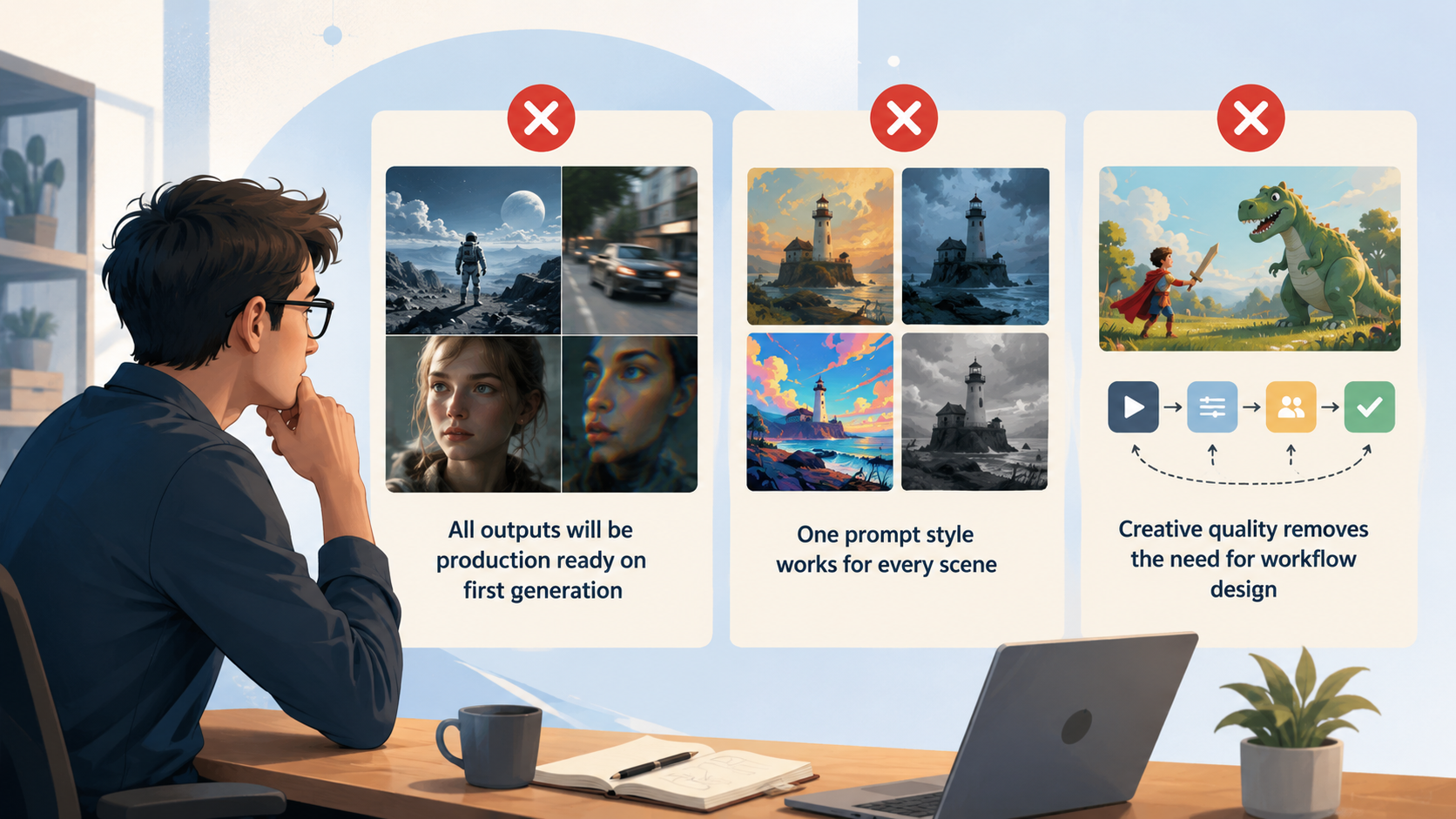
Do not assume:
- all outputs will be production-ready on first generation,
- one prompt style works for every scene,
- or that creative quality removes the need for workflow design.
Practical advice
A future-proof architecture should let you swap models, adjust prompt templates, and tune generation settings without rebuilding the entire product. That is especially important if 2026 brings stronger model tiers or more granular controls.
FAQ
What is the main advantage of a Sora 2-style API in 2026?
The main advantage is likely to be more reliable AI video generation with stronger motion realism, audio sync, and better control for production use.
Will sora 2 api 2026 be more useful for developers or creators?
It should be valuable for both, but developers will benefit most from workflow integration, automation, and productization opportunities.
Is text-to-video enough for production workflows?
Not always. Image-to-video, multi-shot storytelling, and camera control can be important when consistency and brand direction matter.
Why is synchronized audio important?
Because it reduces the need for separate sound design steps and helps make generated clips feel more complete.
What should teams build first?
Start with one narrow use case, such as short marketing clips or image animation, then add templates, retries, and review workflows.
Summary
The sora 2 api 2026 opportunity is less about speculation and more about preparation. Based on the current direction of Sora-style API offerings, the most meaningful future improvements are likely to be in quality, control, audio synchronization, multi-shot consistency, and production-ready workflows.
For developers, the best move is to build systems that are:
- flexible,
- asynchronous,
- template-driven,
- and ready to adapt as API capabilities improve.
If you focus on workflow design rather than only generation quality, you will be better positioned to capture value as the ecosystem matures.
Call it with the Sora 2 API
You can run everything in this article from your own code. Call POST /api/ai/generate with your key in the Authorization header (Bearer sk_…), the model, your prompt and options such as duration and aspect ratio. The reply returns a task ID; poll GET /api/ai/task?taskId=… until taskStatus is success. Swap model for any slug listed by GET /api/ai/router01/models. Every parameter is explained in the Sora 2 API documentation.
curl -X POST https://sora2-api.com/api/ai/generate \
  -H "Authorization: Bearer sk_YOUR_API_KEY" \
  -H "Content-Type: application/json" \
  -d '{
    "mediaType": "video",
    "model": "sora-2",
    "prompt": "A red fox runs through fresh snow at sunrise, slow tracking shot",
    "options": { "duration": 8, "aspect_ratio": "16:9" }
  }'
The same flow in JavaScript: submit the task, poll its status and read the video URL.
const headers = {
  Authorization: 'Bearer sk_YOUR_API_KEY',
  'Content-Type': 'application/json',
};

// Submit the task
const submit = await fetch('https://sora2-api.com/api/ai/generate', {
  method: 'POST',
  headers,
  body: JSON.stringify({
    mediaType: 'video',
    model: 'sora-2',
    prompt: 'A red fox runs through fresh snow at sunrise, slow tracking shot',
    options: { duration: 8, aspect_ratio: '16:9' },
  }),
}).then((res) => res.json());
const { taskId } = submit.data;

// Poll until the video is ready, then read its URL
let task;
do {
  await new Promise((resolve) => setTimeout(resolve, 5000));
  task = (
    await fetch(`https://sora2-api.com/api/ai/task?taskId=${taskId}`, { headers }).then(
      (res) => res.json()
    )
  ).data;
} while (!['success', 'failed', 'canceled'].includes(task.taskStatus));
console.log(task.taskInfo?.videos?.[0]?.videoUrl);
Go further: Sora 2 API integration guide · Sora 2 API pricing