
How Can I Use Sora 2 for Free?
How Can I Use Sora 2 for Free?
If you’re searching for a free way to use Sora 2, the key question is usually not just “is it free?” but “what is the most practical way to try it without wasting time or credits?” This article explains the realistic options, what you can expect from a Sora 2-style video generation API, and how to get started efficiently.
1. Understand What “Free” Usually Means
Conclusion: In most cases, “free” means a trial, limited access, or a low-cost test workflow rather than unlimited video generation.
Explanation:
For Sora 2-style video generation services, access is often provided through an API-based platform rather than a completely open public tool. That means you may need to create an account, obtain an API key, and use credits to generate videos. In the reference material, Tikdek’s Sora 2 video generation API uses a credit-based model, with one generation costing 100 credits. So if you are looking for “free,” the practical question is whether the platform offers any starter credits, demo access, or a sandbox to test the workflow.
Actionable advice:
- Check whether the platform offers sign-up credits or a trial plan.
- Review the credit cost before running full video generation tests.
- Start with short prompts and fewer generations to minimize usage.
- Use preview or test outputs first if the platform provides them.
2. The Most Practical Way to Try Sora 2
Conclusion: The easiest way to use Sora 2-like features is through a unified API that supports text-to-video and image-to-video generation.
Explanation:
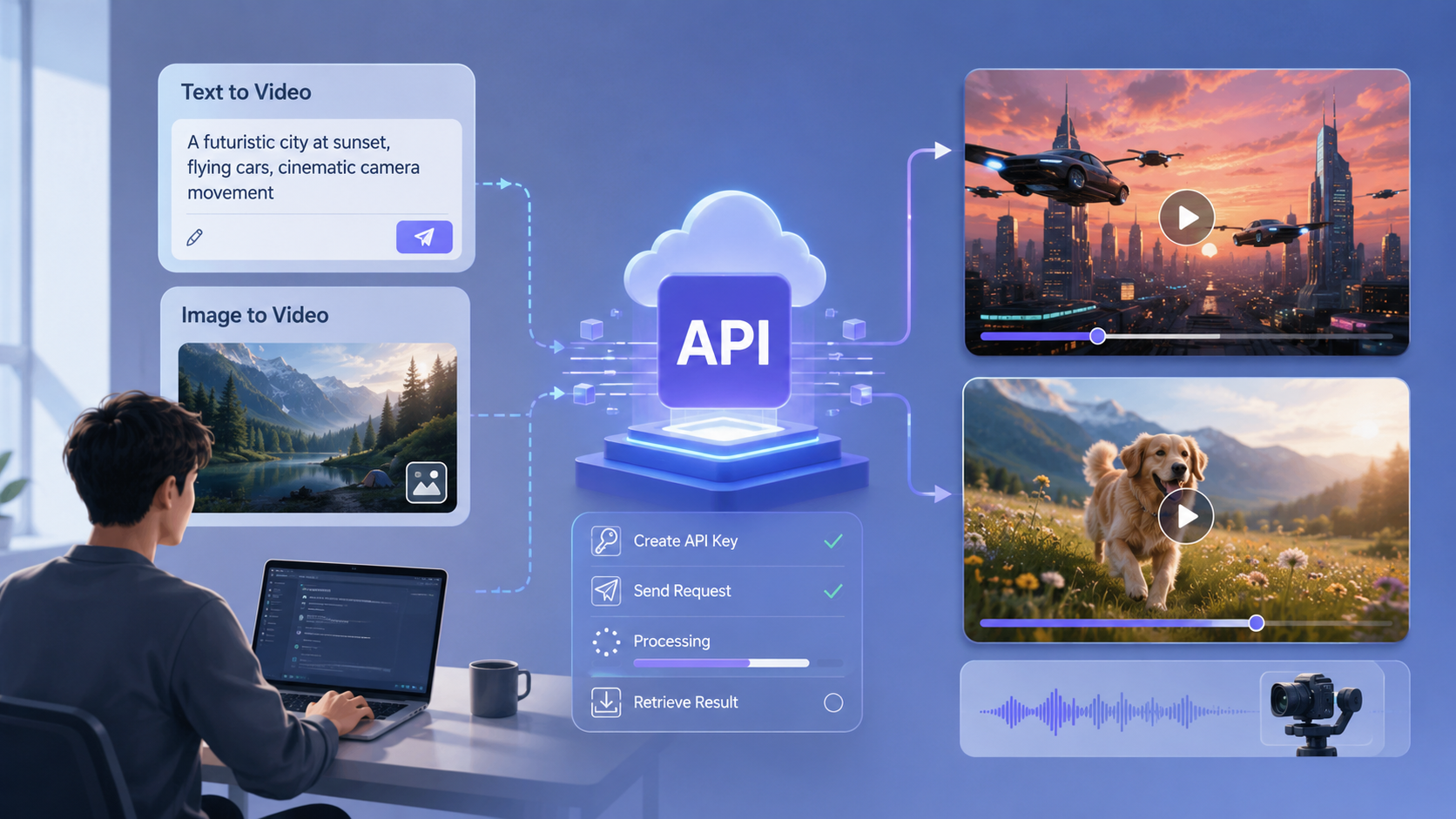
According to the reference, Tikdek provides a unified API for Sora 2 and Sora 2 Pro models. This lets users generate videos from prompts or reference images, with realistic motion, synchronized audio, and camera direction control. If you want to evaluate the model without building a full app, API access is a straightforward starting point. You create an API key, send a prompt or image, track the job, and retrieve the result when ready.
Actionable advice:
- Sign up and generate an API key from the dashboard.
- Begin with a simple text-to-video prompt.
- If you already have a visual concept, try image-to-video instead.
- Keep the first request simple so you can understand response times and output quality.
3. What Features Matter Most When Testing for Free
Conclusion: When trying a video generation model with limited access, focus on core creative controls instead of high-volume use.
Explanation:
The feature set described in the reference includes text-to-video, image-to-video, multi-shot storytelling, synchronized audio, and style/camera control. These are the features that help you judge whether the tool is useful for your needs. If you only have limited credits, testing all features at once is inefficient. Instead, test one workflow at a time: prompt accuracy, motion quality, audio sync, and scene coherence.
Feature comparison
| Feature | What it does | Why it matters in a free test |
|---|---|---|
| Text-to-video | Turns a written prompt into a video | Best for quickly testing prompt understanding |
| Image-to-video | Animates a reference image | Useful if you want consistent composition |
| Multi-shot storytelling | Keeps coherence across cuts | Important for narrative scenes |
| Synchronized audio | Adds dialogue, SFX, or ambience | Helps evaluate realism |
| Camera and style control | Adjusts framing and cinematic direction | Useful for creative precision |
Actionable advice:
- Test prompt-to-video first to validate basic quality.
- Use image-to-video if your scene needs visual consistency.
- Compare outputs with and without audio expectations in mind.
- Save complex multi-shot tests for when you understand the baseline behavior.
4. How to Avoid Wasting Credits
Conclusion: A structured workflow is the best way to get value from limited or paid access.
Explanation:
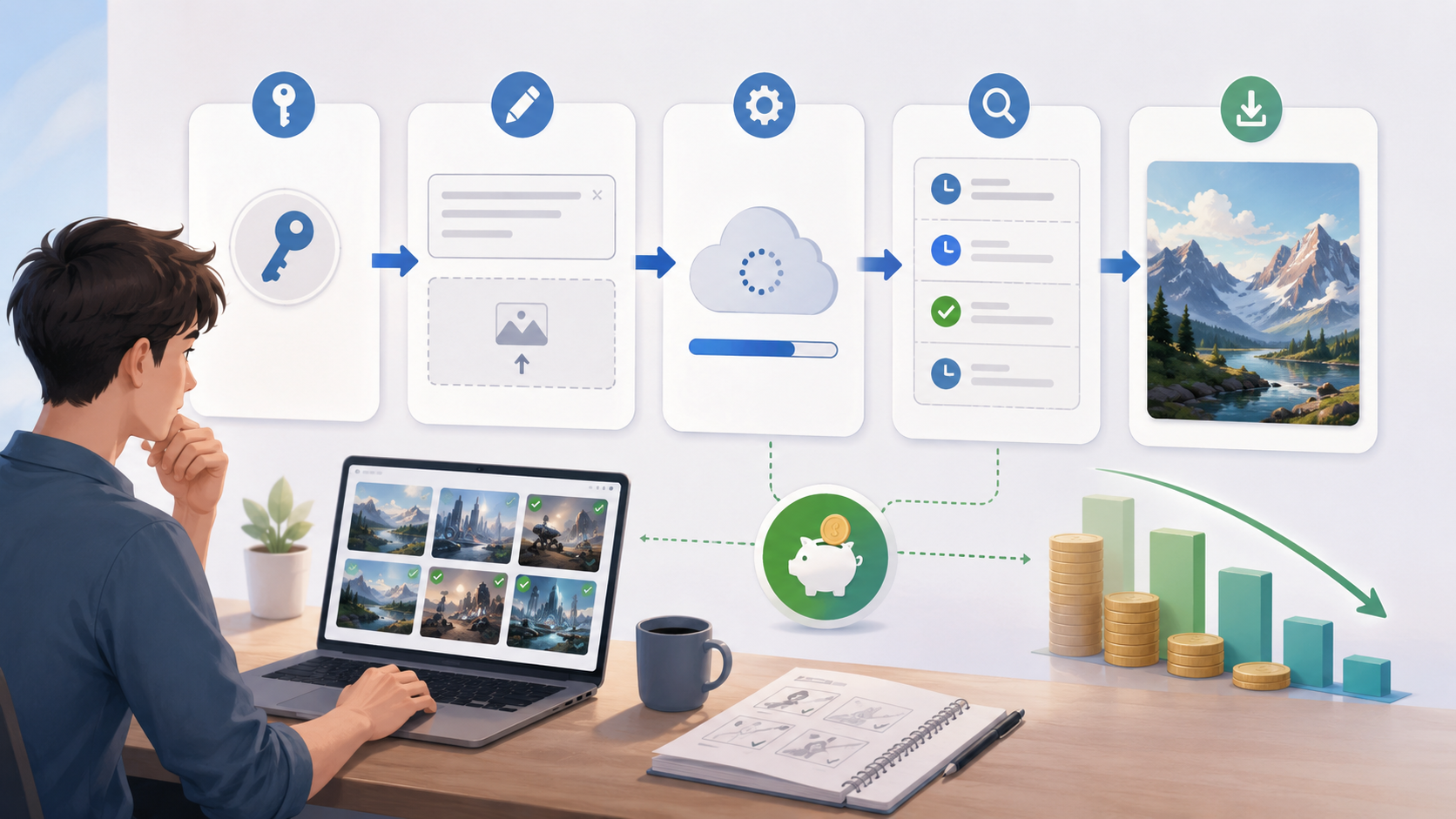
Because the reference indicates a per-generation cost, it is important to reduce unnecessary retries. The API workflow is designed to support production usage: you create a key, submit prompts or images, track job status, and fetch results when complete. If you treat each generation like an experiment with a clear goal, you can use fewer credits and get better feedback from each attempt.
Actionable advice:
- Write specific prompts with clear scene, motion, and style instructions.
- Avoid overly complex requests on the first try.
- Track results and compare what changed between generations.
- Batch your tests logically instead of random repeated runs.
- Use aspect ratio and camera direction intentionally.
5. Is a Free Sora 2 Option Worth It?
Conclusion: Yes, if your goal is learning, prototyping, or evaluating video quality before committing to a larger workflow.
Explanation:
A free or trial-based approach is most useful when you want to test whether the model fits your creative needs. If you are building a product, the API approach also matters because it supports scaling, quotas, batching, and production-ready integration. That makes it more suitable for teams and developers who need repeatable results rather than one-off experiments.
Actionable advice:
- Use free access to evaluate output quality, not to produce large batches.
- Decide early whether you need text-to-video, image-to-video, or both.
- If the results match your workflow, plan for a credit-based production setup.
- For teams, confirm whether the API supports your scale and integration needs.
FAQ
Can I use Sora 2 completely for free?
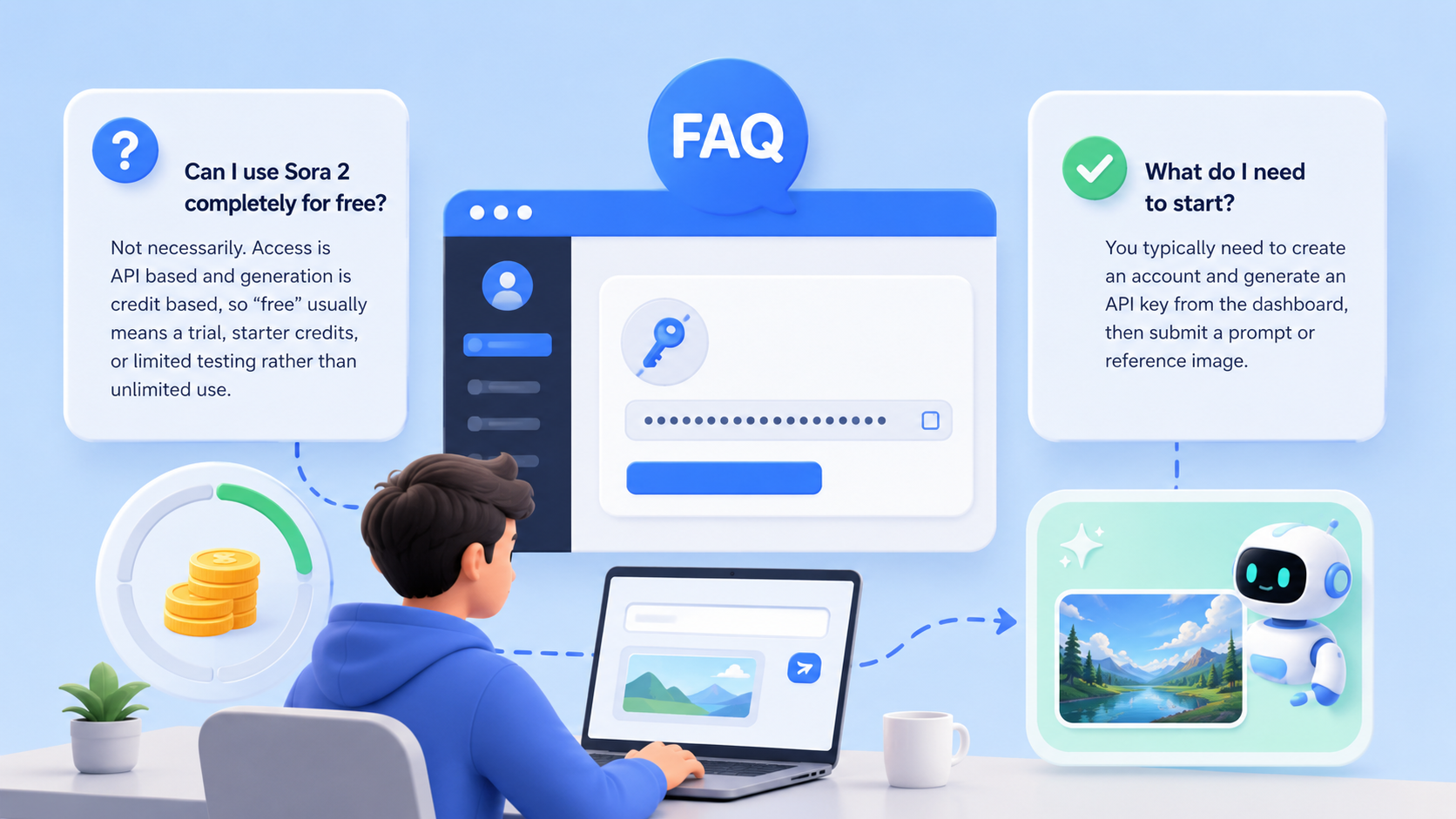
Not necessarily. Based on the reference, access is API-based and generation is credit-based, so “free” usually means a trial, starter credits, or limited testing rather than unlimited use.
What do I need to start?
You typically need to create an account and generate an API key from the dashboard, then submit a prompt or reference image.
What is the difference between text-to-video and image-to-video?
Text-to-video creates a video from a written prompt, while image-to-video animates a reference image into motion.
Does the API support audio?
Yes. The reference describes synchronized audio, including dialogue, sound effects, and ambience aligned with the visuals.
Can I use it for multi-shot scenes?
Yes. The feature set includes multi-shot storytelling and coherent transitions across cuts.
Summary
If you want to use Sora 2 for free, the realistic path is to look for trial access, starter credits, or a limited test setup through a unified API. The most practical approach is to create an API key, try a simple text-to-video or image-to-video request, and evaluate the results before spending more credits. Focus your tests on motion quality, scene coherence, camera control, and audio sync so you can decide whether the tool fits your creative workflow.