
The Sora 2 API Ecosystem in 2026: Developer Opportunities and Industry Impact
The Sora 2 API Ecosystem in 2026: Developer Opportunities and Industry Impact
If you are trying to decide whether sora 2 free access, paid API usage, or a production-ready video generation stack is the right move for your product, this article is for you. The key question is not only whether Sora-style video generation is possible, but how developers can build reliable, scalable, and commercially useful experiences around it in 2026.
This article explains where the Sora 2 API ecosystem appears to be heading, what developers can do with it, and what the broader industry implications may be. It focuses on practical opportunities: text-to-video, image-to-video, synced audio, multi-shot storytelling, and API-based integration.
1) What the Sora 2 API ecosystem is really enabling
Conclusion: The most important shift is that video generation is moving from a standalone tool into an API layer that developers can embed into products, workflows, and platforms.
Sora-style APIs such as the one described by Tikdek’s unified API make it possible to generate videos from prompts or reference images, with realistic motion, synchronized audio, and controllable camera direction. In practice, that means developers can build experiences where users do not simply “use a video model,” but rather create video as part of a larger application.
This matters because product value often comes from workflow design, not just model access. A unified API can simplify integration by offering:
- Text-to-video generation
- Image-to-video generation
- Multi-shot sequence handling
- Synchronized audio generation
- Camera and style control
- Production-oriented REST endpoints
Practical implication
Instead of building one-off demo experiences, teams can treat video generation as an infrastructure layer. That supports use cases like creative tools, marketing automation, storyboard generation, product visualization, and content pipelines.
Actionable advice
If you are evaluating this space, start by mapping your use case into one of three categories:
- Prototype and experimentation
- User-facing creative feature
- Production workflow integration
This helps you decide whether a simple prompt-based interface is enough or whether you need quotas, batching, job polling, and result handling from day one.
2) Where developers can create value in 2026
Conclusion: The strongest developer opportunities are not in generating random clips, but in packaging video generation into repeatable, user-driven workflows.
The reference material points to several capabilities that open meaningful product opportunities:
- Text-to-video for ideation, advertising drafts, and concept visualization
- Image-to-video for animating still assets into dynamic scenes
- Multi-shot storytelling for coherent sequences across cuts and transitions
- Synced audio for more complete audiovisual output
- Sora 2 Pro tier for higher-fidelity needs
These features suggest a broad set of product directions. The real opportunity is to create interfaces that reduce prompt friction and help users produce better outcomes faster.
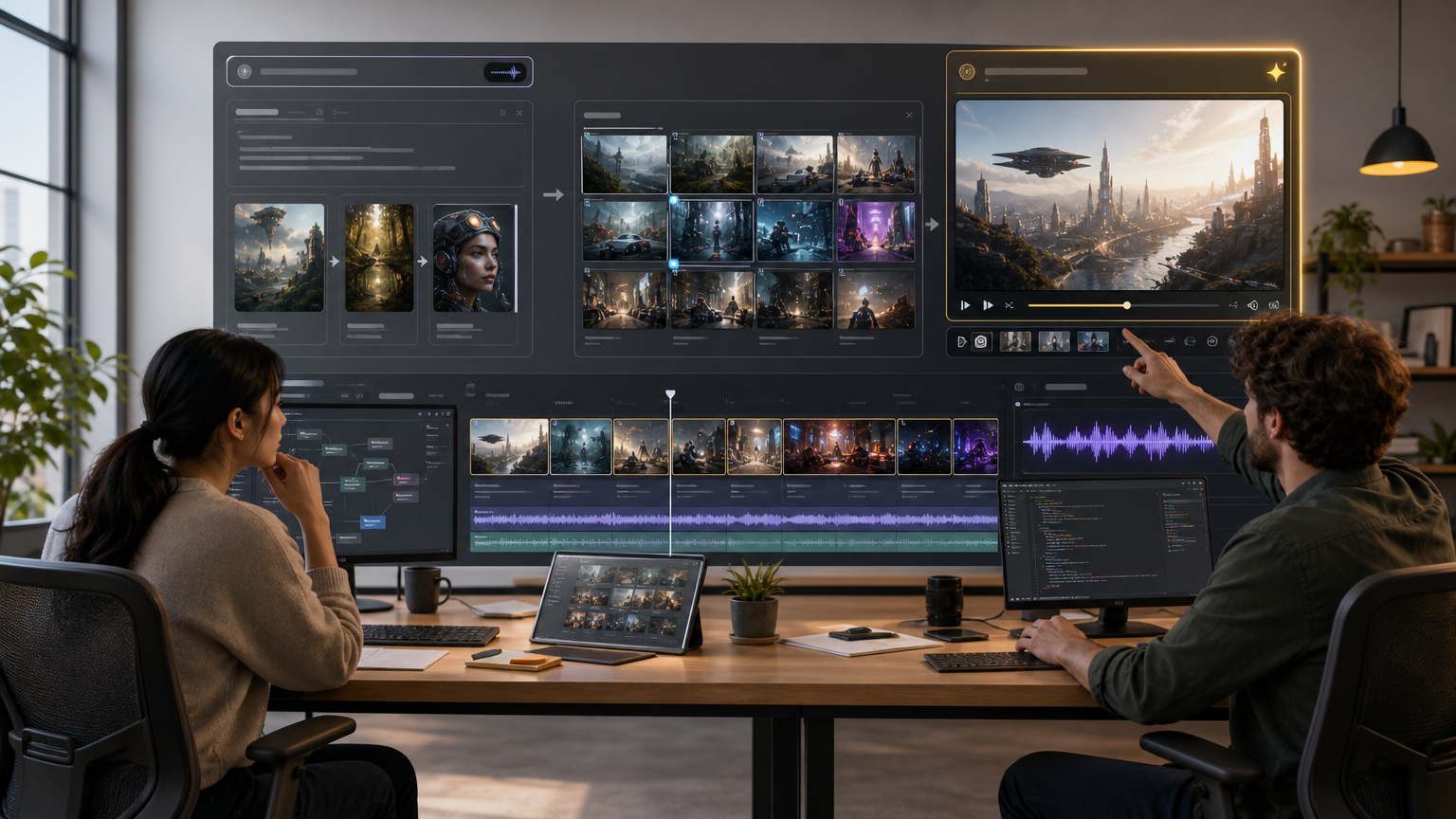
High-value developer use cases
| Use case | Why it matters | Suggested API pattern |
|---|---|---|
| Creative assistants | Helps users turn ideas into motion quickly | Text-to-video with guided prompts |
| Image animation tools | Converts static assets into video content | Image-to-video with reference frames |
| Storyboarding products | Supports multi-shot planning and narrative flow | Multi-shot sequence requests |
| Social content generators | Speeds up short-form video production | Prompt templates + aspect ratio presets |
| Brand video workflows | Improves consistency and repeatability | Style control + reusable request settings |
Practical implication
A developer-friendly API is most useful when it reduces complexity around prompt structure, aspect ratio selection, status tracking, and rendering consistency. That is especially important when users want fast iteration instead of model experimentation.
Actionable advice
Build around one repeatable user workflow first. For example:
- “Turn product images into motion ads”
- “Create a 10-second scene from a prompt”
- “Generate a multi-shot concept video from a script”
This creates clearer UX and more measurable product value than offering generic video generation alone.
3) What “sora 2 free” really means for adoption
Conclusion: The phrase sora 2 free is likely to matter most as a discovery and onboarding signal, not as a long-term business model.
For developers and content teams, “free” access usually influences three things:
- Trial behavior
- User acquisition
- Expectation setting
If users can test a Sora 2-style workflow with low friction, adoption typically becomes easier. But from a product strategy perspective, free access is only useful if it leads to a sustainable usage path. The reference material shows a credit-based cost model, which suggests that real-world usage will need planning around quotas, batching, and production budgets.
Why this matters
Free access can help developers validate demand before investing in more advanced integrations. At the same time, production teams must evaluate cost per generation, output quality, and workflow reliability.
The reference indicates:
- A Sora2-10s model selection
- 16:9 landscape aspect ratio support
- 100 credits per generation
This is useful for planning, but it also shows that developers should think beyond “free” and design for operational consistency.
Actionable advice
Use free or low-friction access for:
- UX testing
- Prompt template design
- Internal demos
- Stakeholder validation
Then move to a controlled production setup with:
- Clear usage limits
- Job monitoring
- Retry logic
- Output review steps
- Budget guardrails
This keeps experimentation accessible while preventing uncontrolled usage growth.
4) Technical considerations for production teams
Conclusion: The API’s long-term value depends on how well it supports reliable workflows, not just impressive output quality.
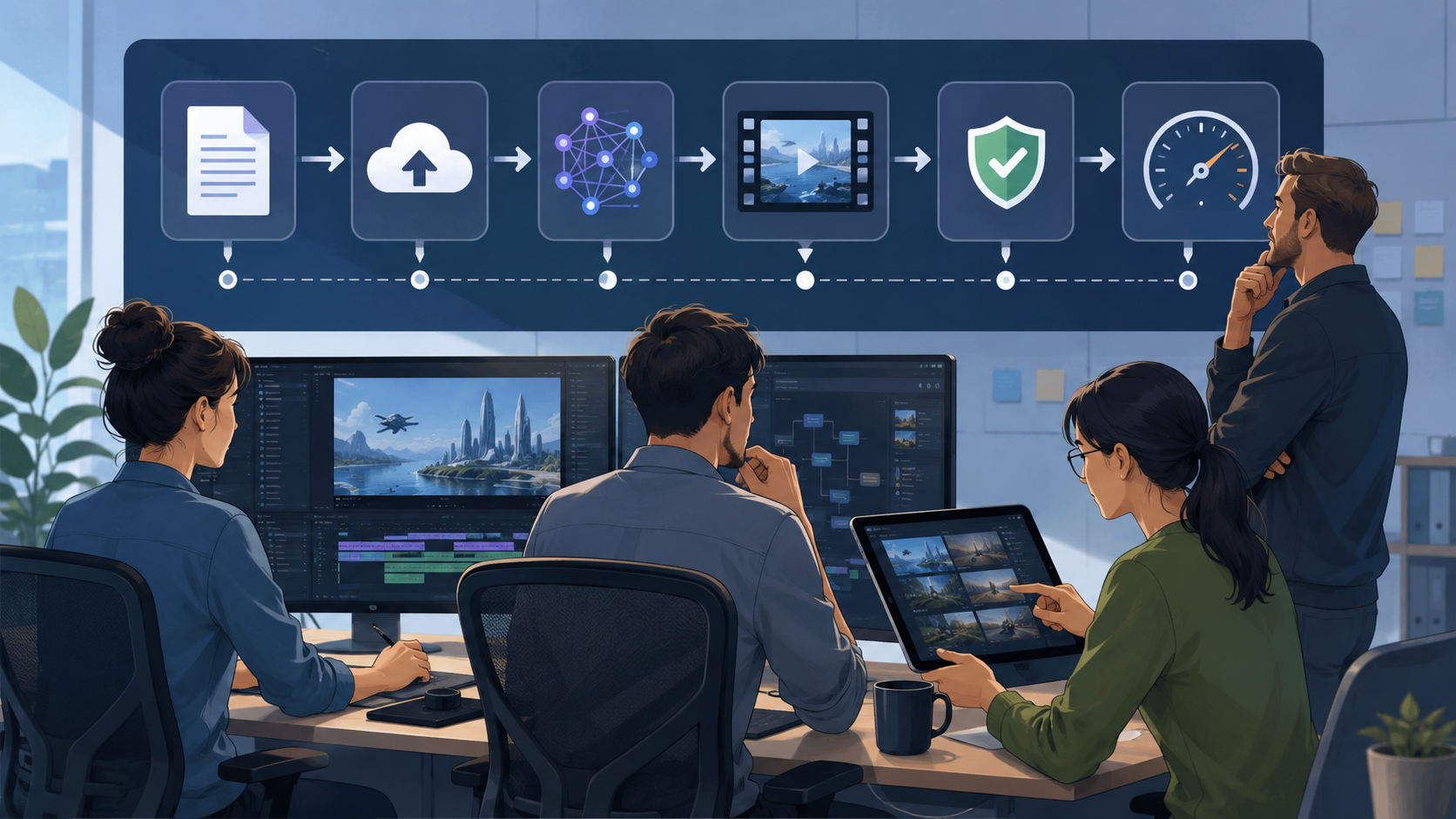
According to the reference material, Tikdek’s workflow includes:
- Creating an API key
- Sending prompts or reference images
- Tracking generation status
- Fetching results when ready
- Scaling with quotas and batching
This is exactly the kind of structure production teams need. Video generation is often asynchronous, so the developer experience must account for waiting, polling, and handling job completion gracefully.
Key technical considerations
-
Asynchronous job design
Video generation usually requires a request-and-wait flow, not instant responses. -
Prompt and image input handling
Good systems should support both text prompts and reference images. -
Output consistency
If your product depends on repeatable results, style and camera controls matter. -
Aspect ratio control
Choosing the right format early helps reduce editing overhead later. -
Batching and quotas
These become essential when usage grows beyond testing.
Suggested implementation checklist
- Store API keys securely
- Build a job status polling mechanism
- Separate generation requests from result retrieval
- Log prompt, model, and aspect ratio parameters
- Add retries for transient failures
- Include content review where necessary
- Measure latency and success rates
Practical implication
The better the API supports operational patterns, the easier it becomes to embed into SaaS tools, content pipelines, and creative software.
Actionable advice
Before launch, test the full lifecycle:
- Request submission
- Job status tracking
- Final asset retrieval
- Failure handling
- User notification
That is often more important than the first sample output.
5) Industry impact: how Sora 2-style APIs may reshape video workflows
Conclusion: The broader impact is likely to be workflow compression: fewer manual steps between idea, draft, and publishable video.
If Sora 2-style APIs become easier to integrate, the biggest industry change may not be “more AI videos” in the abstract. It may be that teams can move from concept to content much faster, with fewer tools and fewer handoffs.
That affects multiple sectors:
- Marketing teams may generate faster campaign drafts
- Creative teams may iterate on concepts earlier
- Product teams may use video to explain features more quickly
- Education and training teams may prototype motion-based learning assets
- Agencies may package video creation into service offerings
What changes strategically
The center of value shifts from manual editing alone to:
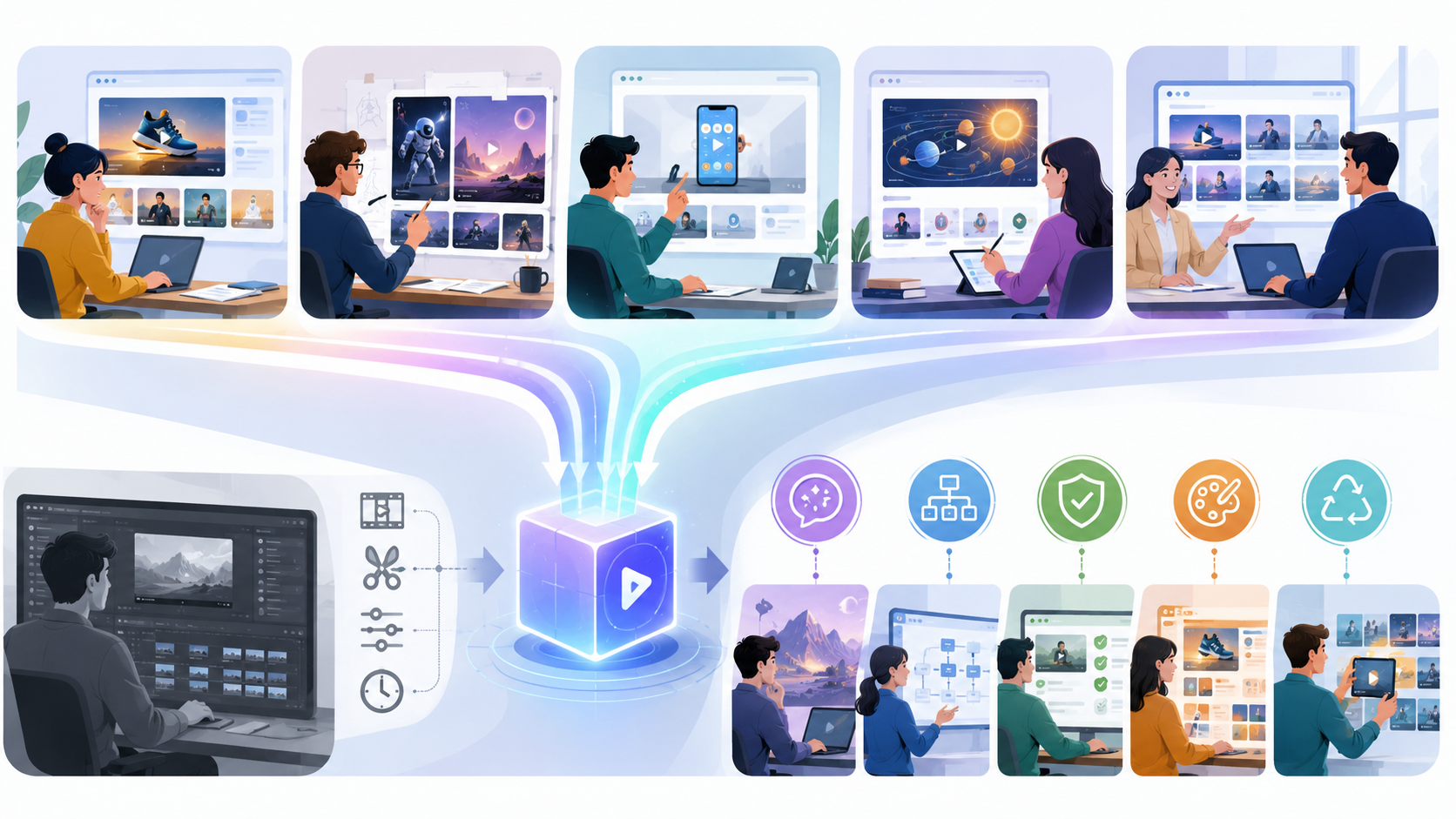
- Prompt design
- Workflow orchestration
- Quality control
- Brand consistency
- Asset reuse
That means the companies that benefit most may not be those with the biggest model access, but those with the clearest product design and distribution.
Actionable advice
If you are building for this ecosystem, ask three questions:
- What repetitive video task can this remove?
- How will users review and refine results?
- What makes our workflow better than a generic generation interface?
Answering these will help you create durable value instead of a short-lived novelty feature.
FAQ
What is the main value of a Sora 2 API?
The main value is that it allows developers to integrate video generation into products and workflows through API calls rather than relying on manual, standalone tooling.
Is sora 2 free available for production use?
The keyword sora 2 free is useful for discovery and testing, but production use should be evaluated separately based on access model, quotas, and generation cost.
Can the API support both text-to-video and image-to-video?
Yes, the reference material describes both text-to-video and image-to-video generation, which makes it suitable for multiple workflow types.
Why are multi-shot sequences important?
They help maintain coherence across cuts and transitions, which is useful for storytelling, marketing content, and structured narratives.
What should developers focus on first?
Start with one clear workflow, then add job tracking, output handling, and usage controls. A simple, reliable product is usually better than a broad but unstable one.
How should teams evaluate this technology?
Assess prompt quality, output consistency, processing workflow, cost control, and how well the API fits your user experience.
Summary
The Sora 2 API ecosystem in 2026 is best understood as a shift toward video generation as infrastructure. For developers, the opportunity lies in building practical experiences around text-to-video, image-to-video, multi-shot storytelling, and synchronized audio. For businesses, the value comes from faster production, reduced manual work, and more scalable creative workflows.
The phrase sora 2 free may help attract users and support early experimentation, but long-term success will depend on production-ready integration, quality control, and a clear product use case. Teams that focus on workflow design, not just model access, will be best positioned to benefit from this ecosystem.